


How to Choose a Memory Card That Meets Your Needs?
Release Time : 2026-03-04
In modern digital life, we increasingly rely on various electronic devices to record, store, and share our data. From mobile phones to cameras to dashcams, memory cards (especially TF cards) have become indispensable as portable storage devices. They not only expand the storage capacity of devices but also facilitate data transfer and sharing. With the surge in data volume and the diversification of devices, choosing a memory card that suits your needs is particularly important. So, what exactly is the role of a memory card in digital products? And how do we choose the most suitable memory card for ourselves?
First, as a portable storage device, the primary function of a memory card is to expand the storage capacity of devices. Especially in devices such as mobile phones, cameras, and dashcams, the built-in storage space often cannot meet the needs of daily use. For example, although smartphones have large amounts of memory, the storage space requirement increases as the number of photos and videos taken grows. Memory cards provide a convenient and efficient solution, easily storing data on the card and avoiding the problem of not being able to save new data when the phone's storage is full. For users who enjoy taking large amounts of photos and videos, TF cards are especially important because they effectively expand a device's storage space, freeing you from worries about storage capacity limitations.
Besides expanding storage capacity, memory cards also enable convenient data transfer and sharing. Many digital devices support data exchange via memory cards. For example, photographers can transfer photos and videos taken during a shoot to a computer or other devices via memory card for editing, sharing, or backup. Data transfer between different devices is made very simple thanks to the cross-platform compatibility offered by memory cards. In this era of data exchange and sharing, this function of memory cards makes data transfer more efficient and convenient. Whether you are an individual user or a professional, you can use memory cards to achieve cross-device data flow and improve work efficiency.
With the increasing popularity of memory cards, the variety of memory cards on the market is also becoming more and more diverse. From the most common TF cards (MicroSD cards) to SD cards, and then to CF cards, each type of memory card has its specific uses and advantages. TF cards, as one of the most widely used types of memory cards, are widely used in mobile phones, tablets, cameras, dashcams, and other devices due to their ultra-small size. Due to their small size and high compatibility, TF cards are widely used in various portable devices. For users with larger storage needs, SD cards offer higher storage capacity and are commonly found in digital cameras and some video surveillance equipment. Different types of memory cards have different applicability to different devices, so the choice of memory card must be based on the specific requirements of your device.
Speed is also a crucial factor when choosing a memory card. Different types of memory cards have different read and write speeds, which directly affect device performance. For example, when recording high-quality video, the device's memory card speed will determine the smoothness and stability of the recording. Using a slow memory card may result in stuttering, dropped frames, or save failures, severely impacting the user experience. Therefore, understanding the read and write speeds of memory cards and choosing a card suitable for your needs is essential for optimizing device performance. For devices requiring high-speed transmission, such as cameras recording 4K video or high-definition video surveillance equipment, choosing a memory card with a higher speed rating is particularly critical.
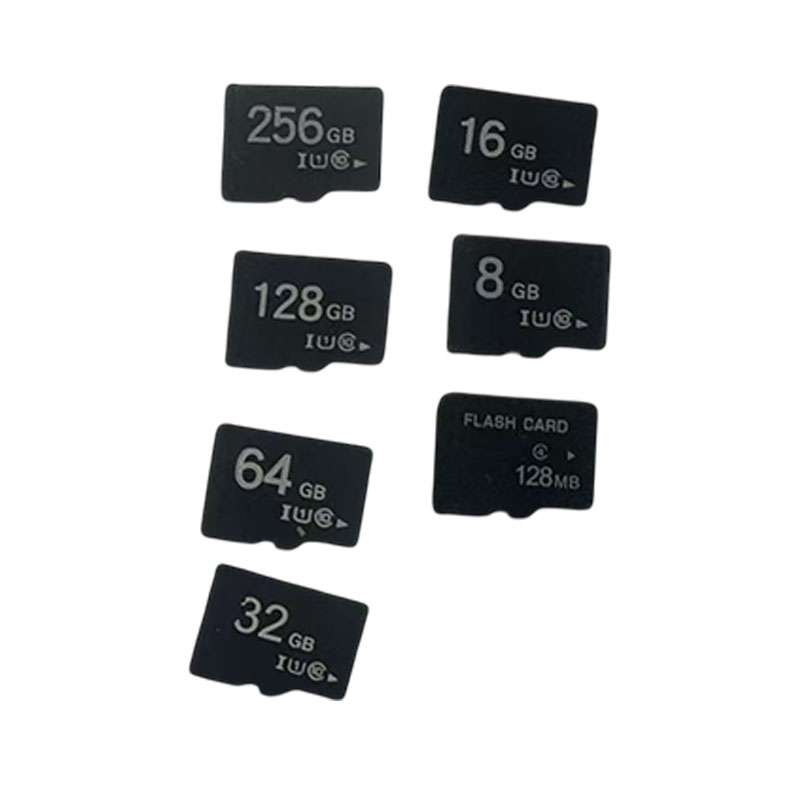
In addition, memory card capacity is also an important factor to consider when choosing a memory card. As digital content continues to grow, the demand for memory card capacity is also increasing. From 16GB and 32GB to larger capacities of 128GB, 256GB, and even 512GB, different capacities of memory cards can meet the needs of different users. For everyday users, a 32GB or 64GB memory card may be sufficient to store a large number of photos and videos. However, for professional photographers or video producers, a 128GB or even larger capacity memory card is essential. Choosing a memory card with the appropriate capacity ensures that users have enough space to store files and avoids the inconvenience of frequently changing cards.
Durability and security are also crucial factors when purchasing a memory card. As a portable device, memory cards are frequently used in various environments and are easily exposed to harsh conditions such as dust, moisture, high temperatures, or low temperatures. Therefore, choosing a durable memory card with features such as waterproofing, shockproofing, and antimagnetic properties can better protect the data security of the memory card. In high-intensity working environments, using more durable memory cards can effectively prevent the risk of data loss or corruption.
In short, the role of memory cards in modern digital products is undeniable. They not only help us expand storage capacity but also enable efficient and convenient data transfer and sharing. When choosing a memory card, users need to select the most suitable one based on factors such as their device type, storage needs, speed requirements, and durability. With the continuous advancement of storage technology, memory cards will continue to play a vital role in the digital world, becoming an indispensable part of our daily lives.
First, as a portable storage device, the primary function of a memory card is to expand the storage capacity of devices. Especially in devices such as mobile phones, cameras, and dashcams, the built-in storage space often cannot meet the needs of daily use. For example, although smartphones have large amounts of memory, the storage space requirement increases as the number of photos and videos taken grows. Memory cards provide a convenient and efficient solution, easily storing data on the card and avoiding the problem of not being able to save new data when the phone's storage is full. For users who enjoy taking large amounts of photos and videos, TF cards are especially important because they effectively expand a device's storage space, freeing you from worries about storage capacity limitations.
Besides expanding storage capacity, memory cards also enable convenient data transfer and sharing. Many digital devices support data exchange via memory cards. For example, photographers can transfer photos and videos taken during a shoot to a computer or other devices via memory card for editing, sharing, or backup. Data transfer between different devices is made very simple thanks to the cross-platform compatibility offered by memory cards. In this era of data exchange and sharing, this function of memory cards makes data transfer more efficient and convenient. Whether you are an individual user or a professional, you can use memory cards to achieve cross-device data flow and improve work efficiency.
With the increasing popularity of memory cards, the variety of memory cards on the market is also becoming more and more diverse. From the most common TF cards (MicroSD cards) to SD cards, and then to CF cards, each type of memory card has its specific uses and advantages. TF cards, as one of the most widely used types of memory cards, are widely used in mobile phones, tablets, cameras, dashcams, and other devices due to their ultra-small size. Due to their small size and high compatibility, TF cards are widely used in various portable devices. For users with larger storage needs, SD cards offer higher storage capacity and are commonly found in digital cameras and some video surveillance equipment. Different types of memory cards have different applicability to different devices, so the choice of memory card must be based on the specific requirements of your device.
Speed is also a crucial factor when choosing a memory card. Different types of memory cards have different read and write speeds, which directly affect device performance. For example, when recording high-quality video, the device's memory card speed will determine the smoothness and stability of the recording. Using a slow memory card may result in stuttering, dropped frames, or save failures, severely impacting the user experience. Therefore, understanding the read and write speeds of memory cards and choosing a card suitable for your needs is essential for optimizing device performance. For devices requiring high-speed transmission, such as cameras recording 4K video or high-definition video surveillance equipment, choosing a memory card with a higher speed rating is particularly critical.
In addition, memory card capacity is also an important factor to consider when choosing a memory card. As digital content continues to grow, the demand for memory card capacity is also increasing. From 16GB and 32GB to larger capacities of 128GB, 256GB, and even 512GB, different capacities of memory cards can meet the needs of different users. For everyday users, a 32GB or 64GB memory card may be sufficient to store a large number of photos and videos. However, for professional photographers or video producers, a 128GB or even larger capacity memory card is essential. Choosing a memory card with the appropriate capacity ensures that users have enough space to store files and avoids the inconvenience of frequently changing cards.
Durability and security are also crucial factors when purchasing a memory card. As a portable device, memory cards are frequently used in various environments and are easily exposed to harsh conditions such as dust, moisture, high temperatures, or low temperatures. Therefore, choosing a durable memory card with features such as waterproofing, shockproofing, and antimagnetic properties can better protect the data security of the memory card. In high-intensity working environments, using more durable memory cards can effectively prevent the risk of data loss or corruption.
In short, the role of memory cards in modern digital products is undeniable. They not only help us expand storage capacity but also enable efficient and convenient data transfer and sharing. When choosing a memory card, users need to select the most suitable one based on factors such as their device type, storage needs, speed requirements, and durability. With the continuous advancement of storage technology, memory cards will continue to play a vital role in the digital world, becoming an indispensable part of our daily lives.