


How Enterprises Can Prevent Sensitive Data Leaks Through Centralized U Disk Management Strategies
Release Time : 2026-02-12
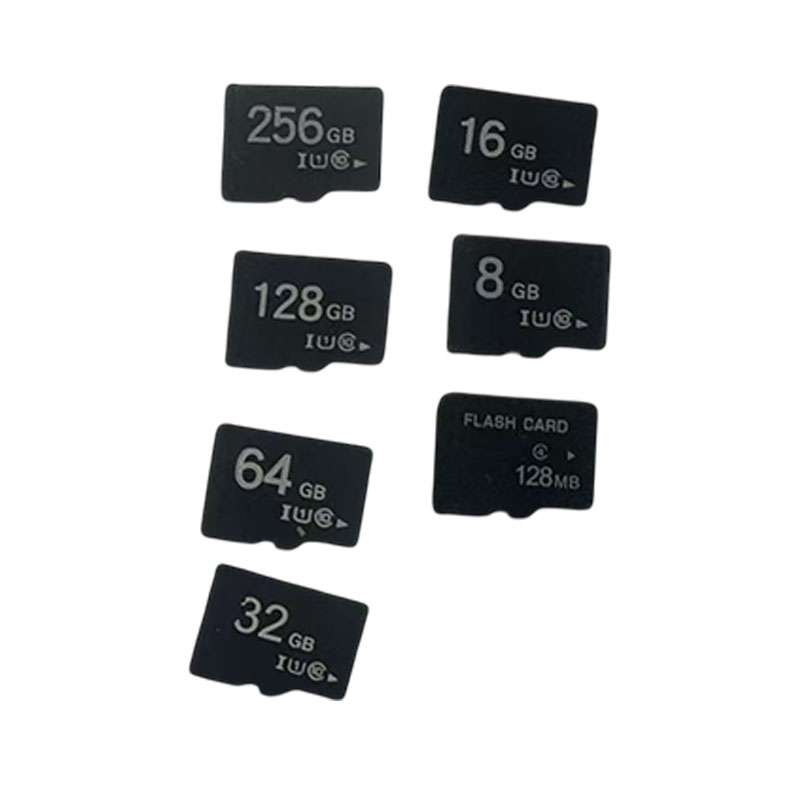
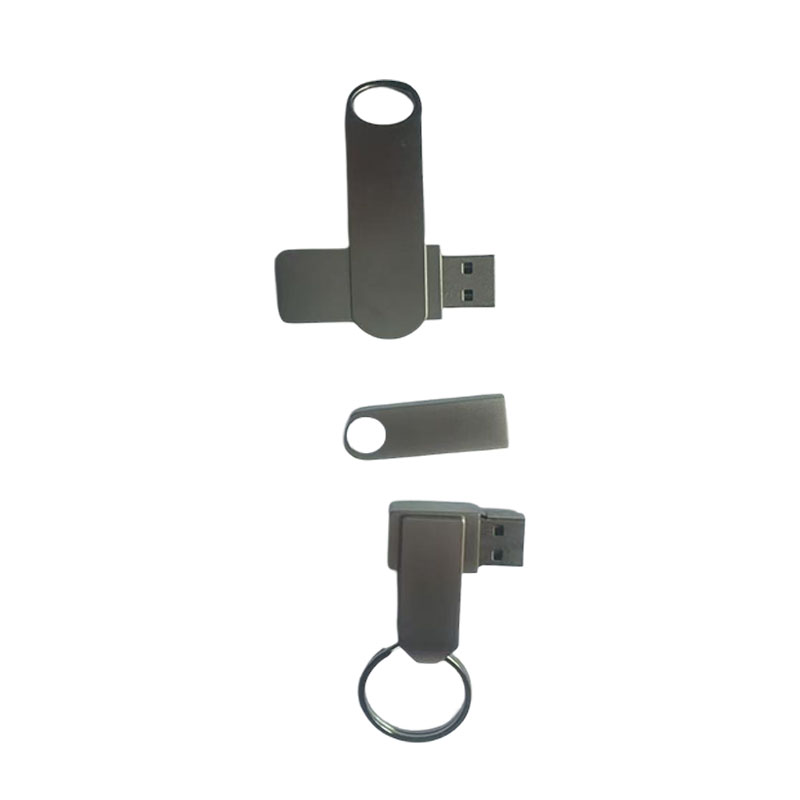
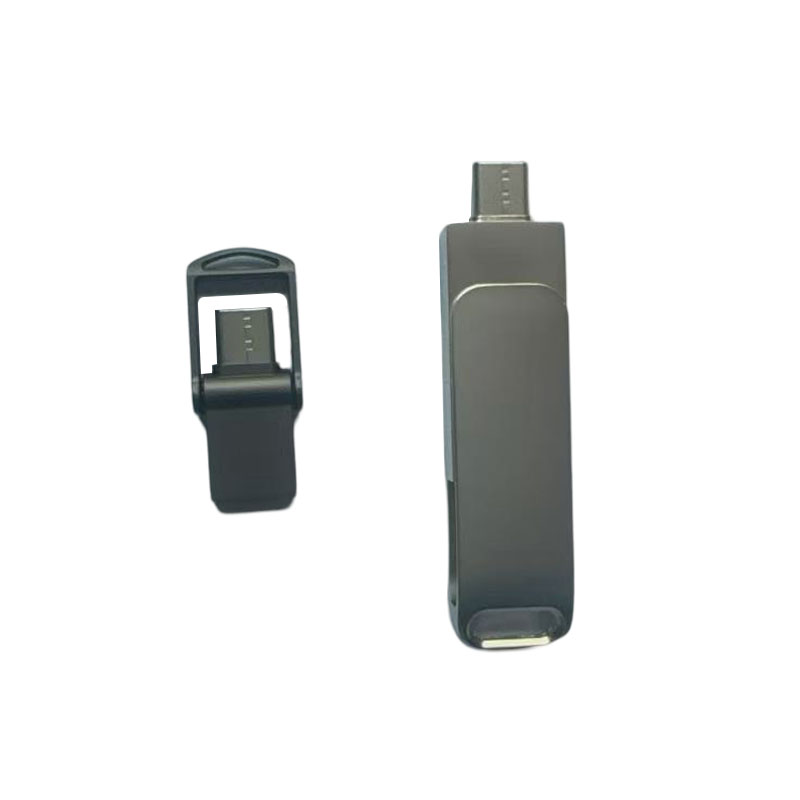
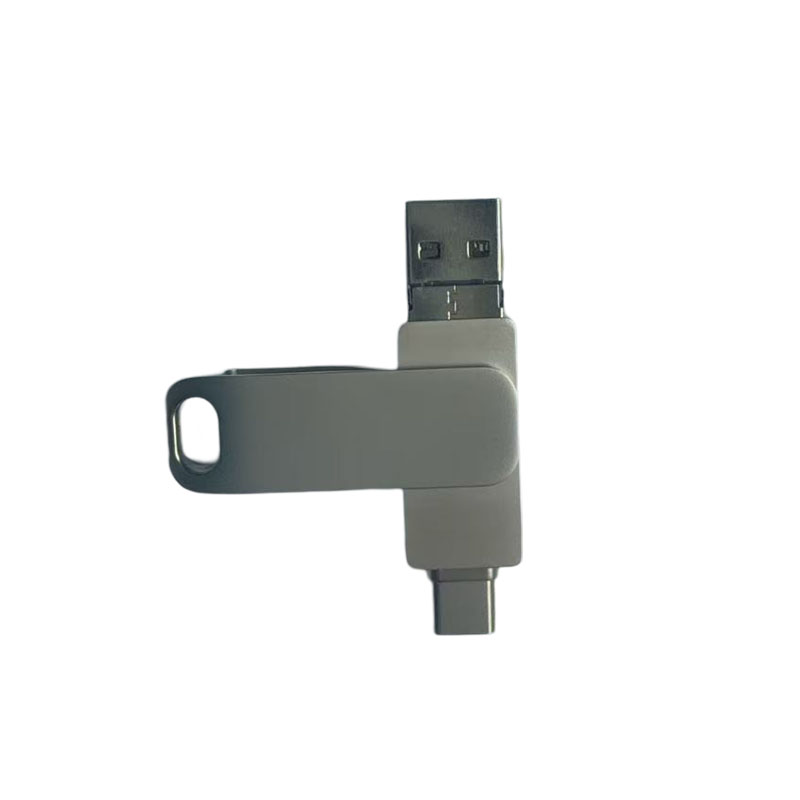
U Disk, commonly known as USB flash drive, is a ubiquitous portable storage device that enables quick data transfer, backup, and sharing across computers and devices via a USB interface. While its convenience makes it indispensable in office environments, it also poses significant security risks—especially when employees copy, remove, or transfer sensitive corporate data without oversight. To mitigate these threats, organizations are increasingly adopting centralized U Disk management strategies that combine policy enforcement, technical controls, and real-time monitoring to safeguard critical information.
1. Device Control and Authorization Policies
The first layer of defense involves strict control over which U Disks can connect to corporate endpoints. Through endpoint security platforms or Unified Endpoint Management systems, IT administrators can enforce policies that block unauthorized USB devices while allowing only pre-registered, company-issued U Disks. Each approved device is assigned a unique identifier , ensuring that only trusted storage media gain access to internal systems. This “whitelisting” approach eliminates the risk of data exfiltration via personal or unknown drives.
2. Role-Based Access and Data Encryption
Not all employees need equal access to sensitive data. Centralized management systems enable role-based permissions: for example, finance staff may read/write encrypted financial reports, while interns can only access non-confidential training materials. Moreover, enterprise-grade U Disks often feature built-in hardware encryption. When integrated with centralized key management, encryption keys are stored on secure servers—not on the device—so data remains inaccessible if the U Disk is lost or stolen. Even if an employee copies files, they cannot be decrypted outside the authorized corporate environment.
3. Audit Logging and Real-Time Monitoring
Every U Disk operation—insertion, file copy, deletion, or ejection—can be logged and transmitted to a central security dashboard. These audit trails include user identity, timestamp, file names, and data volume transferred. Advanced systems use behavioral analytics to flag anomalies, such as an employee suddenly copying gigabytes of customer databases late at night. Real-time alerts allow security teams to intervene immediately, potentially halting a data breach before it escalates.
4. Data Loss Prevention (DLP) Integration
Modern U Disk management solutions integrate seamlessly with enterprise Data Loss Prevention (DLP) frameworks. When a user attempts to copy a file to a U Disk, the DLP engine scans the content in real time. If it detects sensitive patterns—such as credit card numbers, social security IDs, or proprietary code—it can automatically block the transfer, redact the data, or require managerial approval. This content-aware control ensures that policy enforcement is based not just on file type, but on actual data sensitivity.
5. Remote Wipe and Device Lifecycle Management
In cases of loss, theft, or employee offboarding, administrators can remotely wipe all data from a managed U Disk the next time it connects to any networked corporate device. Some systems even support “geo-fencing,” disabling the drive outside predefined physical or network boundaries. Additionally, centralized platforms track the entire lifecycle of each U Disk—from issuance and usage to retirement—ensuring secure decommissioning and preventing outdated or compromised devices from remaining in circulation.
While the U Disk remains a practical tool for mobile data exchange in enterprise settings, its inherent portability demands robust governance. By implementing centralized management strategies—encompassing device control, encryption, auditing, DLP integration, and remote response—organizations can transform this potential vulnerability into a secure, compliant, and auditable data conduit. In an era where data is both the most valuable asset and the most targeted target, smart U Disk management is not optional; it is essential to modern cybersecurity hygiene.
1. Device Control and Authorization Policies
The first layer of defense involves strict control over which U Disks can connect to corporate endpoints. Through endpoint security platforms or Unified Endpoint Management systems, IT administrators can enforce policies that block unauthorized USB devices while allowing only pre-registered, company-issued U Disks. Each approved device is assigned a unique identifier , ensuring that only trusted storage media gain access to internal systems. This “whitelisting” approach eliminates the risk of data exfiltration via personal or unknown drives.
2. Role-Based Access and Data Encryption
Not all employees need equal access to sensitive data. Centralized management systems enable role-based permissions: for example, finance staff may read/write encrypted financial reports, while interns can only access non-confidential training materials. Moreover, enterprise-grade U Disks often feature built-in hardware encryption. When integrated with centralized key management, encryption keys are stored on secure servers—not on the device—so data remains inaccessible if the U Disk is lost or stolen. Even if an employee copies files, they cannot be decrypted outside the authorized corporate environment.
3. Audit Logging and Real-Time Monitoring
Every U Disk operation—insertion, file copy, deletion, or ejection—can be logged and transmitted to a central security dashboard. These audit trails include user identity, timestamp, file names, and data volume transferred. Advanced systems use behavioral analytics to flag anomalies, such as an employee suddenly copying gigabytes of customer databases late at night. Real-time alerts allow security teams to intervene immediately, potentially halting a data breach before it escalates.
4. Data Loss Prevention (DLP) Integration
Modern U Disk management solutions integrate seamlessly with enterprise Data Loss Prevention (DLP) frameworks. When a user attempts to copy a file to a U Disk, the DLP engine scans the content in real time. If it detects sensitive patterns—such as credit card numbers, social security IDs, or proprietary code—it can automatically block the transfer, redact the data, or require managerial approval. This content-aware control ensures that policy enforcement is based not just on file type, but on actual data sensitivity.
5. Remote Wipe and Device Lifecycle Management
In cases of loss, theft, or employee offboarding, administrators can remotely wipe all data from a managed U Disk the next time it connects to any networked corporate device. Some systems even support “geo-fencing,” disabling the drive outside predefined physical or network boundaries. Additionally, centralized platforms track the entire lifecycle of each U Disk—from issuance and usage to retirement—ensuring secure decommissioning and preventing outdated or compromised devices from remaining in circulation.
While the U Disk remains a practical tool for mobile data exchange in enterprise settings, its inherent portability demands robust governance. By implementing centralized management strategies—encompassing device control, encryption, auditing, DLP integration, and remote response—organizations can transform this potential vulnerability into a secure, compliant, and auditable data conduit. In an era where data is both the most valuable asset and the most targeted target, smart U Disk management is not optional; it is essential to modern cybersecurity hygiene.